
When a hose, belt, seal or tire lasts longer, the economic effect can be much larger than the price of each kilogram of raw material. Ahead of Global Polymer Summit 2026, Birla Carbon announced plans to present carbon solutions for tires and mechanical rubber goods, highlighting strength, durability, abrasion resistance and longer service life.
The announcement also referenced circular carbon materials and grades incorporating recycled or bio-based feedstocks. These themes indicate the industry’s direction, but any product-level carbon-footprint claim should still be evaluated against disclosed data, methodology and the customer’s actual use conditions.
Why competition has moved beyond price
In rubber components, a poorly matched grade can affect dispersion, hardness, abrasion resistance, processing and service life. The real cost therefore needs to be assessed at component-performance level, not only on the raw-material invoice.
How a successful formulation is selected
Manufacturers must balance particle characteristics, structure, surface area, dispersion, polymer type, curing system and processing conditions. Controlled comparison in the real formulation, recorded results and batch-consistency checks offer a more reliable path to grade selection.
Gohar Farayand editorial view: The rubber market is moving toward materials that combine durable performance, scalable processing and more transparent sustainability documentation.
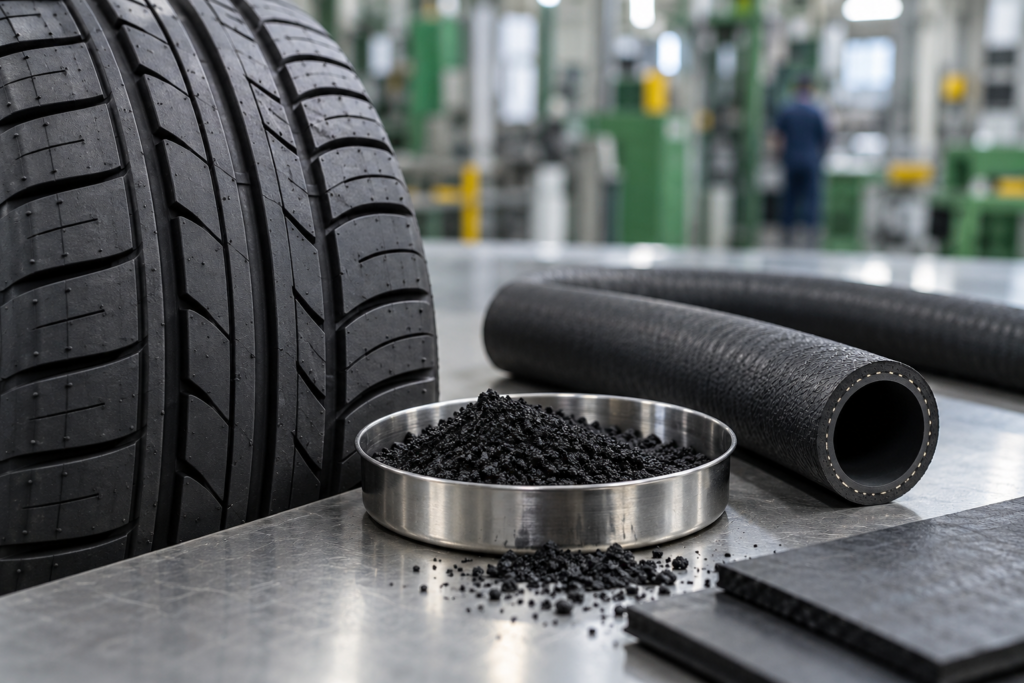
Image: AI-generated editorial illustration; it does not depict the source event or facilities.
Source publication date: 2026-09-17
Primary source: www.birlacarbon.com